
Exam centre infrastructure, in practice.
What we have learned running exam, training and meeting venues across the country — written for the person who has to make the booking work on the day.
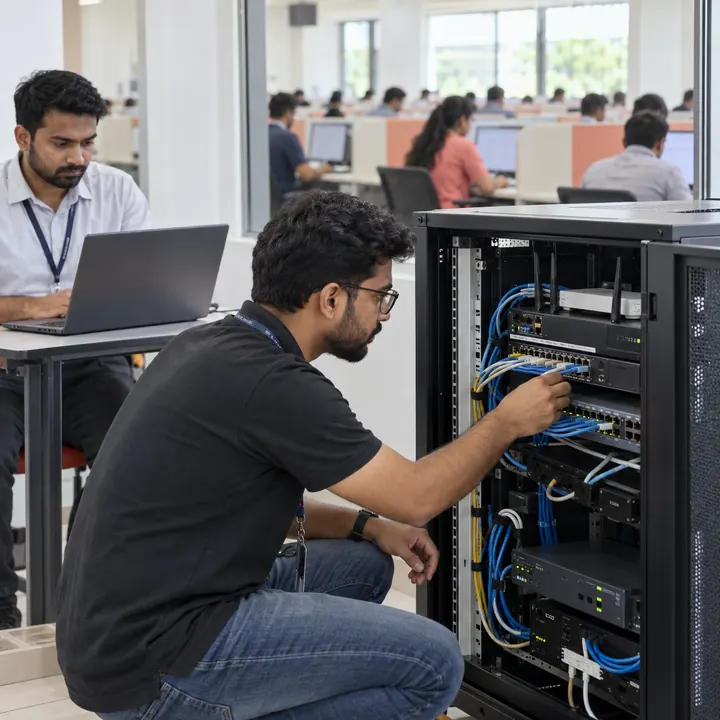
Three buyers, one problem: what edtech, corporates and exam bodies actually need
Exam bodies buy against a published, inspected specification — computers, CCTV, power backup, biometric verification, load-tested networks. Corporates buy attention and logistics, with a real spec behind it too. Educators buy optionality, because the wrong city must stay reversible. What each of the three is really asking for, what we put them in, and where our answer stops.
Read article →
Why companies book meeting space — and how to pick the tier
Six situations where a company needs a room it does not own, what separates luxury, semi-luxury and regular space in practice, a rule for choosing between them, and the facilities checklist that gets skipped until the morning. Plus the question almost no meeting-room provider answers: whether the room comes with working devices.
Read article →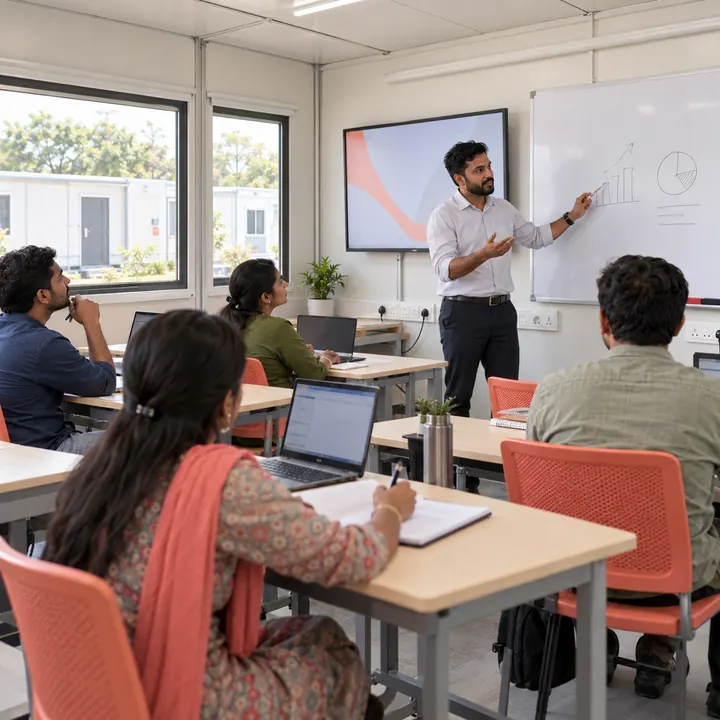
Who actually lost money on offline infrastructure — and who didn't
The received story is that edtech won online and lost offline. The filings say something narrower: centres added into growing demand worked, centres added into shrinking demand did not. Aakash went from ~320 centres to 400+ while revenue fell 16% and EBITDA collapsed 95%. PW added 155 centres while revenue grew 35% and EBITDA nearly tripled. What separates them, what it means for anyone buying capacity, and where booked capacity helps — and where it does not.
Read article →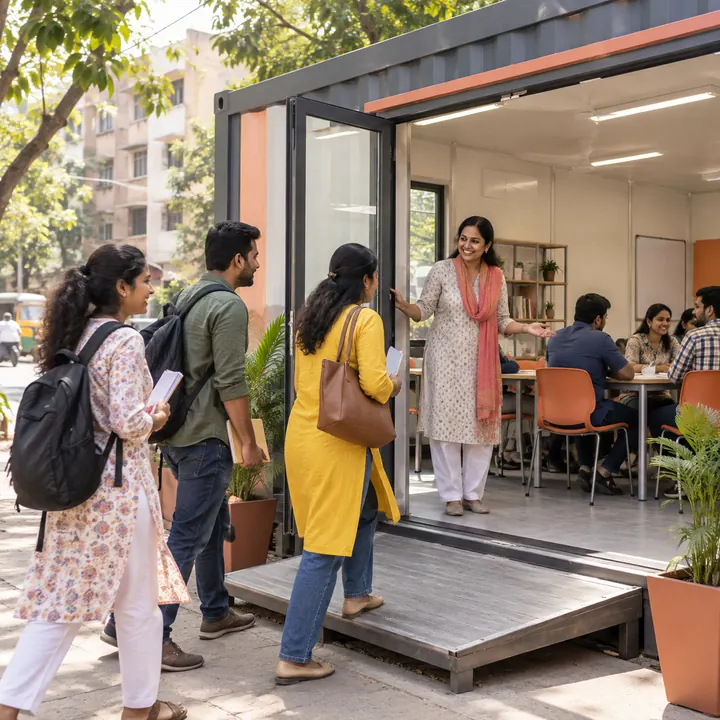
Own infrastructure or pop-up classrooms? A comparison for expansion
Owned capacity converts a variable cost into a fixed one, which pays off only at high, steady utilisation in one place — the opposite of how exam and training demand behaves. A side-by-side on cost shape, time to open, reversibility and coverage, the arithmetic that decides it, the cases where owning genuinely wins, and the anchor-plus-pop-up model most organisations end up at.
Read article →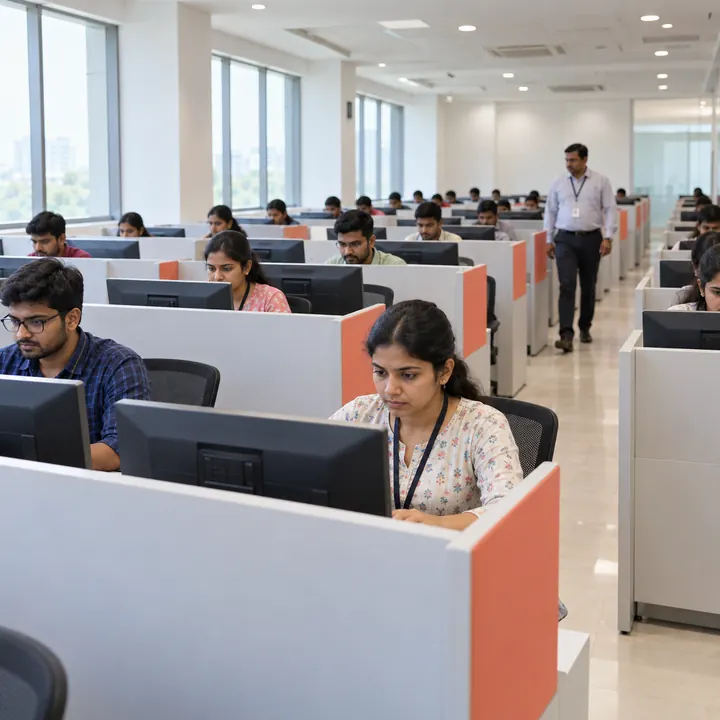
What makes a good computer-based test centre: a nine-point check
A centre with 200 workstations and no power backup is a 0-seat centre for a three-hour CBT. Nine checks that separate a lab that looks ready from one that is: usable capacity, power, connectivity and its fallback, workstation spec, invigilation sightlines, candidate flow, waiting space, on-site technical cover, and who is accountable on the day.
Read article →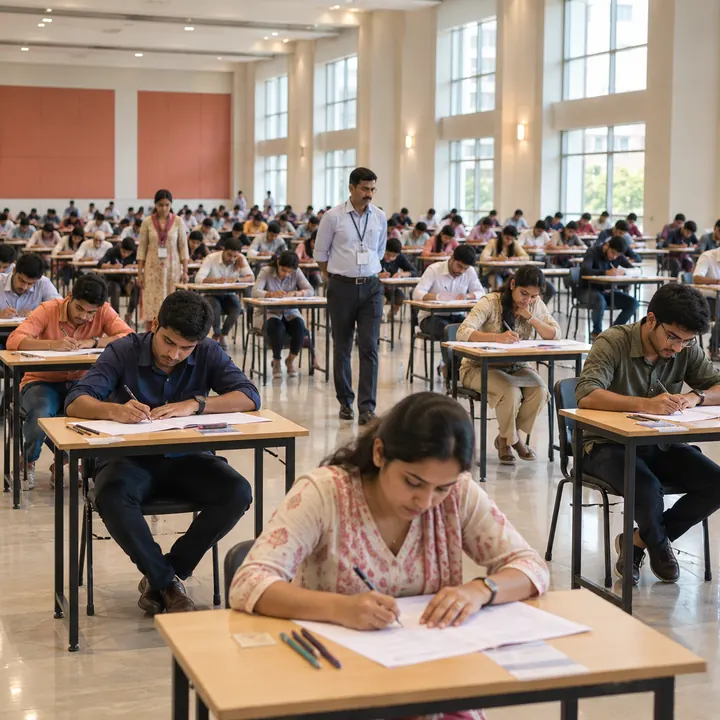
How many seats to book for an exam drive
Registered candidates and attending candidates are different numbers, and the gap moves with the stakes of the exam, the notice period and the city. How we size a booking: the buffer rule we run on, why over-allocating seats is normal practice rather than a mistake, and what changes when you split across shifts.
Read article →
Planning a multi-city exam drive: cities, shifts and the calendar
How to plan a drive across many cities: choose cities from where candidates are rather than where venues are, size each city separately, decide the shift pattern before you approach centres, and leave the roster until last. Includes the order of operations that keeps the plan changeable and the two constraints that always bite.
Read article →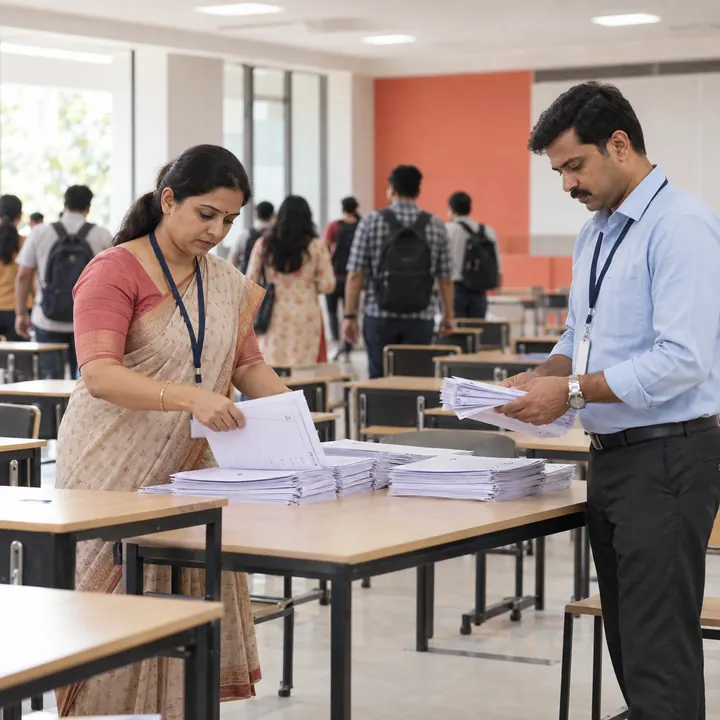
Paper-based or computer-based: what actually changes about the venue
CBT moves your risk onto power, connectivity and machines. Paper moves it onto custody — secure storage, sealed handling, controlled collection and a chain of accountability for physical material. A side-by-side of what each format needs from the room, and what to ask a venue that claims to do both.
Read article →